Why Should You Read Atomic Habits?
Why is it so difficult to form good habits?
⦁ Conditioning
Through conditioning, habits are formed. In practice, we tend to repeat gratifying actions until they become habitual. As an infant, you would have, for instance, sucked your thumb to soothe yourself. This relaxing sensation was the rewarding outcome that prompted you to repeat the behavior. This is why it can be so challenging to replace poor habits with good ones.
Fortunately, conditioning can also be used to develop beneficial habits. Adults can indulge in habits such as going for a morning run since the endorphin rush makes them feel more productive.


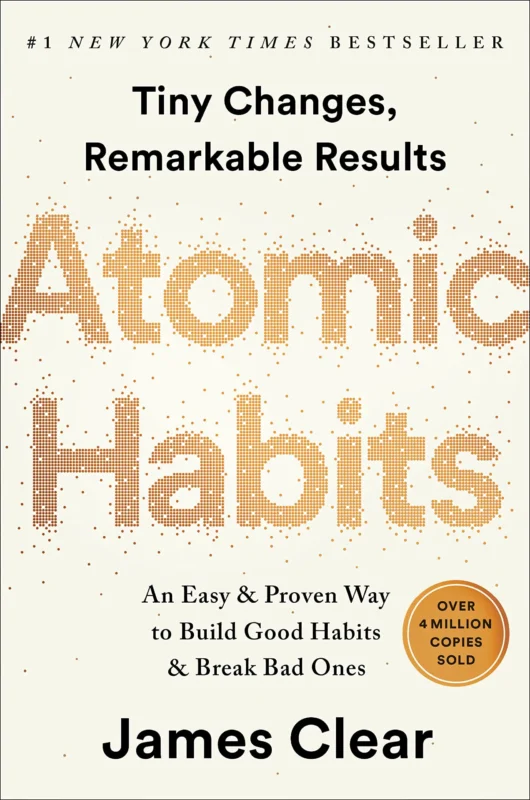
James Clear’s Atomic Habits has become the definitive modern guide to habit change, and for good reason: it turns the vague advice to “build good habits” into a concrete, repeatable system. Clear’s central idea is that tiny changes — 1% improvements — compound into remarkable results over time.
The framework is built on four laws: make good habits obvious, attractive, easy, and satisfying (and invert them to break bad ones). Clear also reframes goals around identity — you don’t rise to your goals, you fall to your systems, and lasting change comes from becoming the type of person who does the habit.
Key takeaways:
- Tiny 1% improvements compound into massive long-term results.
- Focus on systems and identity, not just goals.
- Make good habits obvious, attractive, easy, and satisfying.
Who it’s for: anyone who wants a practical, science-based system for changing behavior — the foundation beneath every wealth and health goal.
The verdict: arguably the most useful self-improvement book of the past decade. Clear, actionable, and endlessly applicable; if you read one habits book, make it this one.