Outliers Summary: Gladwell’s 10,000-Hour Rule, Key Ideas & Lessons
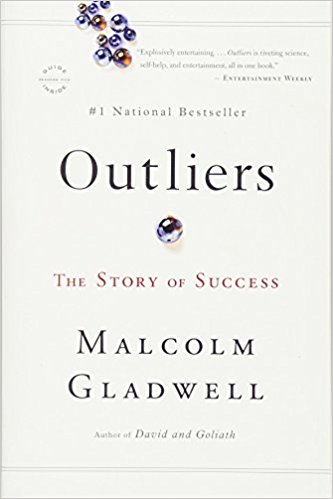
This Outliers summary breaks down Malcolm Gladwell’s 2008 bestseller — the book that put the “10,000-hour rule” into everyday language — into its real argument and the parts worth arguing with. Gladwell’s thesis is blunt: the self-made genius is mostly a myth. The people we call outliers got extraordinary hidden help — timing, luck, culture, and a staggering number of practice hours most people never get the chance to log.
What is the main idea of Outliers?
The main idea of Outliers is that success isn’t just talent plus hard work — it’s talent plus opportunity, timing, culture, and luck. Gladwell argues that the world’s highest achievers were handed advantages they didn’t earn: the right birth year, the right family, the right culture, and rare chances to practice. Take away those hidden factors and the “self-made” story falls apart.
Part 1: Opportunity beats raw talent
The first half of the book is about the advantages people are handed before they’ve done anything.
- The 10,000-hour rule. World-class mastery tends to take roughly 10,000 hours of practice. The Beatles got theirs grinding through marathon sets in Hamburg; Bill Gates got his on rare early access to a computer terminal.
- The Matthew effect. Small early advantages snowball. Canadian hockey stars are disproportionately born in the first months of the year — they’re older and bigger than peers in the same age bracket, so they get picked, coached, and given more ice time, and the gap compounds.
- Generational timing. When you’re born matters enormously. A cluster of tech billionaires were born around 1955 — old enough to learn on early computers, young enough to catch the personal-computer wave at the perfect moment.
What is the 10,000-hour rule?
The 10,000-hour rule is Gladwell’s claim that reaching world-class skill in a complex field takes about 10,000 hours of practice. His real point isn’t the number — it’s that nobody logs that many hours alone. It takes support, money, and lucky access, which is why opportunity matters as much as effort. The hours are necessary, but the chance to get them is unevenly distributed.
Part 2: Cultural legacy
The second half argues that the culture you inherit shapes your outcomes more than you’d think.
- Practical intelligence. A high IQ doesn’t guarantee success. Knowing how to read a room, negotiate with authority, and work a system — usually learned at home — often matters more than raw brainpower.
- Cultural habits run deep. Gladwell links generations of demanding rice-paddy agriculture in parts of Asia to a cultural comfort with hard, precise work that shows up later in math achievement.
- Legacy can also hurt. He traces plane crashes to communication styles shaped by cultural hierarchy — where a junior officer won’t bluntly challenge a superior even as danger mounts.
Why is Malcolm Gladwell controversial?
Gladwell is a brilliant storyteller, and that’s exactly the criticism. The 10,000-hour rule oversimplifies the research it came from: psychologist K. Anders Ericsson, whose work Gladwell drew on, pushed back that it’s the quality of deliberate practice that matters, not a magic hour count — and that 10,000 was an average, not a threshold. Critics say Gladwell builds tidy, persuasive causal stories from messy evidence. Read Outliers for the reframe, not as settled science.
The real takeaway
Here’s the useful version. You can’t pick your birth year or your parents, but you can control how you spend your hours and which opportunities you say yes to. The lesson isn’t “success is just luck” — it’s that effort compounds only when it meets opportunity, so put yourself where the lucky breaks happen and then out-practice everyone once you’re there.
The verdict
Outliers is a fast, addictive read that permanently changes how you look at success stories. Just hold its neat conclusions loosely. Take the reframe — success is talent, timing, culture, and hours stacked together — and ignore anyone who quotes “10,000 hours” like a law of physics.
Outliers FAQ
What is the main idea of Outliers?
The main idea is that extraordinary success comes from more than talent and effort. Gladwell argues that timing, luck, cultural background, and rare chances to practice give outliers hidden advantages, so the “self-made” success story is largely a myth.
What is the Gladwell 10,000-hour rule?
It’s the idea that world-class mastery takes roughly 10,000 hours of practice. Gladwell’s deeper point is that logging that many hours requires support, money, and lucky access — so opportunity matters as much as effort. The number itself is often oversimplified.
What are the main points of Outliers?
Success blends opportunity and cultural legacy: the 10,000-hour rule, the Matthew effect (early advantages snowball), generational timing, practical intelligence, and inherited cultural habits. The through-line is that hidden, unearned factors shape who reaches the top.
Why is Malcolm Gladwell controversial?
Because his storytelling can outrun his evidence. The 10,000-hour rule simplified the deliberate-practice research it came from — the original researcher, K. Anders Ericsson, objected that quality of practice matters more than a fixed hour count. Critics say Gladwell builds neat causal stories from messy data.
Is Outliers worth reading?
Yes. It’s engaging and genuinely shifts how you think about achievement. Just treat its conclusions as provocations rather than proof, and you’ll get the reframe without buying the oversimplifications.
Get the book: Read Outliers on Amazon →
As an Amazon Associate, Millionaires Books earns from qualifying purchases.
More on mastery: our best business books roundup and the Atomic Habits summary.