The Art of War Summary: Sun Tzu’s 5 Factors, 13 Chapters & Key Lessons
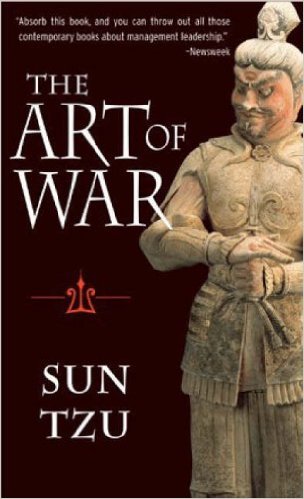
This the art of war summary distills Sun Tzu’s 2,500-year-old treatise — 13 short chapters written in ancient China — into the strategy that still gets taught in boardrooms and business schools today. Sun Tzu’s central claim is almost anti-war: the best victory is the one you win before a single blow lands. Fighting is what you do when strategy has already failed.
What is the main idea of The Art of War?
The main idea of The Art of War is to win without fighting. Sun Tzu argues that the greatest generals defeat the enemy through planning, positioning, and deception rather than brute force. If you know yourself and your opponent, pick your battles carefully, and move only when victory is already certain, you rarely have to fight at all. The book is less about combat than about making combat unnecessary.
The five factors (Sun Tzu’s “5 rules”)
Sun Tzu opens the book with five factors that decide every conflict. Weigh them honestly against your opponent’s and you can call the winner before it begins.
- The Moral Law (the Way) — whether your people believe in the cause and will follow their leader.
- Heaven — timing, seasons, and conditions you don’t control.
- Earth — the terrain: distances, danger, the ground you’re fighting on.
- The Commander — the leader’s wisdom, discipline, and courage.
- Method and Discipline — organization, logistics, and the systems that keep an army supplied.
Sun Tzu’s core strategic principles
- Win before you fight. Superior planning beats superior force. The battle is decided by preparation, not luck.
- All warfare is based on deception. Appear weak when you are strong, and strong when you are weak. Never let the other side see your real position.
- Know yourself and your enemy. Understand both and you need not fear a hundred battles. Know only yourself and you’ll win half the time.
- Subdue the enemy without fighting. The supreme skill is breaking the opponent’s resistance without a battle — attack their strategy, not their army.
- Avoid long, costly wars. Drawn-out conflict drains resources and morale. Win quickly or don’t start.
- Be adaptable, like water. Hold no fixed formation; shape your tactics to the situation in front of you.
- Use information. Spies and intelligence are cheap compared to the cost of fighting blind.
The 13 chapters at a glance
The Art of War is 13 short chapters, each a different angle on strategy: Laying Plans, Waging War, Attack by Stratagem, Tactical Dispositions, Energy, Weak Points and Strong, Maneuvering, Variation in Tactics, The Army on the March, Terrain, The Nine Situations, The Attack by Fire, and The Use of Spies. You can read the whole thing in an afternoon.
Sun Tzu’s most famous quotes
Two lines carry the whole philosophy. “The supreme art of war is to subdue the enemy without fighting.” And, “If you know the enemy and know yourself, you need not fear the result of a hundred battles.” Almost everything else in the book is a way to make those two ideas practical.
How to use The Art of War today
Strip out the swords and it’s a manual for any competitive arena — business, negotiation, a career, a market. Win before you fight means do the homework your rivals skip. Deception means don’t broadcast your moves. Know yourself and your enemy means study your competition as hard as you study yourself. Subdue without fighting means the best deal is the one where you never had to go to war for it.
The verdict
It’s short, ancient, and oddly modern. Some passages are cryptic, and you’ll get more from a good translation with commentary. But the core — out-think, out-prepare, and out-position rather than out-muscle — is why founders, generals, and negotiators have carried it for 2,500 years. Read it once for the ideas, then again when you’re actually in a fight.
The Art of War FAQ
What are the 5 rules of The Art of War?
The five rules, or factors, are the Moral Law (unity of purpose), Heaven (timing and conditions), Earth (terrain), the Commander (leadership), and Method and Discipline (organization and logistics). Sun Tzu says weighing these against your opponent’s tells you who will win before the fighting starts.
What are the main points of The Art of War?
The main points: win before you fight, use deception, know yourself and your enemy, subdue the opponent without fighting, avoid long wars, stay adaptable, and rely on good information. The goal throughout is to make victory certain through preparation rather than risk it in battle.
What is Sun Tzu’s most famous quote?
His most famous line is, “The supreme art of war is to subdue the enemy without fighting.” A close second is, “If you know the enemy and know yourself, you need not fear the result of a hundred battles.” Both capture his belief that strategy beats force.
How many chapters are in The Art of War?
There are 13 chapters, each covering one aspect of strategy — from Laying Plans and Waging War to Terrain and The Use of Spies. They’re short essays, and the whole book can be read in a single sitting.
Is The Art of War worth reading?
Yes. It’s brief and endlessly applicable beyond the battlefield — to business, negotiation, and competition. Pick a translation with commentary, since some lines are cryptic on their own, but the strategic core is as useful now as it was 2,500 years ago.
Get the book: Find The Art of War on Amazon →
As an Amazon Associate, Millionaires Books earns from qualifying purchases.
More strategy reads: our best business books roundup and the 48 Laws of Power summary.