The 48 Laws of Power Summary: Key Laws, Themes & Why It’s Controversial
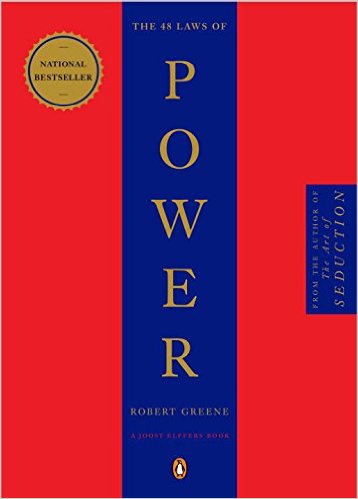
This the 48 laws of power summary distills Robert Greene’s 1998 cult classic — 48 rules of influence drawn from 3,000 years of history, from Machiavelli to Sun Tzu to the courts of Versailles — into its philosophy, its most famous laws, and the reason it’s one of the most banned and argued-over books on this shelf. Greene’s premise is cold and simple: power is a game everyone is playing, whether they admit it or not, and the people who win are the ones who understand the rules.
What is The 48 Laws of Power about?
The 48 Laws of Power is a strategy manual for gaining and keeping influence. Robert Greene studied how the powerful have operated across history and boiled it down to 48 laws about managing perception, guarding your reputation, controlling information, and outmaneuvering rivals. It’s deliberately amoral — it describes how power actually works, not how it should, which is exactly why people love it and hate it.
The core idea: power is a game
Greene’s starting point is that social and professional life is a constant, often invisible, contest for status and advantage. Pretending you’re above the game doesn’t exempt you from it — it just makes you easy to play. The laws are his attempt to make the hidden rules visible, so you can either use them or defend against people who already do.
The laws, grouped by theme
The 48 laws cluster into a few big ideas:
- Control perception. Conceal your intentions, guard your reputation, and manage how others see you. Never let people read your real plans.
- Practice restraint and strategy. Say less than necessary, win through actions rather than arguments, and think several moves ahead to the very end.
- Manage people carefully. Never outshine your boss, don’t over-trust friends, get others invested in your success, and keep rivals off balance.
- Stay adaptable. Remain flexible and hard to pin down; a fixed, visible plan is something opponents can attack.
Some of the most famous laws
A handful of the 48 do most of the cultural heavy lifting, and they capture the flavor of the whole book (paraphrased here):
- Never outshine the master. Make the people above you feel superior; flaunting your talents breeds insecurity and resentment.
- Conceal your intentions. Keep people off balance by never revealing the purpose behind your actions.
- Always say less than necessary. The more you say, the more ordinary and exposed you appear.
- Guard your reputation with your life. Reputation is the cornerstone of power; protect it fiercely.
- Get others to do the work, but take the credit. Use other people’s skill and effort to advance your own cause.
- Enter action with boldness. Hesitation creates problems; boldness makes you look powerful.
- Assume formlessness. Never be predictable; adapt like water so no one can plan against you.
The book gives 48 in total, each with historical stories, reversals, and cautionary tales — the examples are the reason it reads like a dark history book rather than a listicle.
Why are The 48 Laws of Power so controversial?
Because the book is openly amoral. It teaches manipulation, deception, and self-interest without moralizing, and some laws read as cold-blooded. It’s one of the most requested — and most banned — books in U.S. prisons for exactly that reason. Critics call it a manual for sociopaths. That reputation is a big part of why it keeps selling.
How are you supposed to read it?
Not as a checklist to run on your coworkers. The most useful way to read The 48 Laws of Power is as a defensive lens — a way to recognize when these tactics are being used on you, so you’re harder to manipulate. Robert Greene and fans like Ryan Holiday frame it as describing power so you can navigate it ethically, not a permission slip to be ruthless.
The verdict
It’s sharp, dark, and genuinely useful if you read it with your eyes open. Take it as a field guide to human ambition — the way people actually compete for status — rather than a moral code. You don’t have to follow the laws to benefit from understanding them.
The 48 Laws of Power FAQ
What is The 48 Laws of Power about?
It’s Robert Greene’s guide to how power works. Drawing on 3,000 years of history, he lays out 48 laws for gaining and holding influence — managing perception, guarding your reputation, controlling information, and outmaneuvering rivals. It describes power as it is, not as it should be.
What do The 48 Laws of Power teach you?
They teach how influence is won and lost: conceal your intentions, say less than necessary, protect your reputation, never outshine your superiors, stay adaptable, and recognize manipulation when it’s aimed at you. The overall lesson is to see the power games most people miss.
Why are The 48 Laws of Power so controversial?
Because it’s deliberately amoral — it teaches manipulation and self-interest without judgment, and some laws read as ruthless. It’s one of the most commonly banned books in U.S. prisons, and critics call it a manual for manipulators. That notoriety is part of its appeal.
How are you supposed to read The 48 Laws of Power?
Best read as a defensive lens rather than a to-do list. Use it to spot when these tactics are being used on you, so you’re harder to manipulate. Greene frames it as understanding power so you can navigate it wisely, not a license to be cruel.
Is The 48 Laws of Power worth reading?
Yes, if you read it critically. It’s a compelling, story-rich look at how ambition and status really operate. Take the awareness it gives you and leave the coldest advice on the page.
Get the book: Read The 48 Laws of Power on Amazon →
As an Amazon Associate, Millionaires Books earns from qualifying purchases.
More strategy reads: our best business books roundup and the Art of War summary.