Where Good Ideas Come From: The Natural History of Innovation
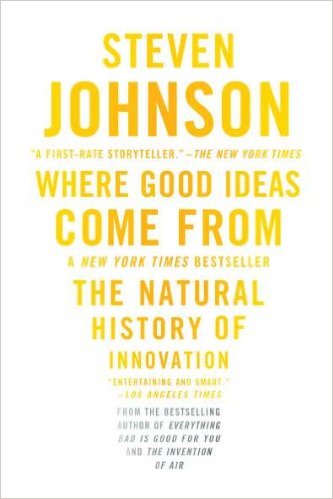
The printing press, the pencil, the flush toilet, the battery—these are all great ideas. But where do they come from? What kind of environment breeds them? What sparks the flash of brilliance? How do we generate the groundbreaking ideas that push forward our lives, our society, our culture?


Steven Johnson’s Where Good Ideas Come From dismantles the myth of the lone genius and the sudden “eureka” moment. Studying centuries of innovation, Johnson shows that breakthrough ideas usually emerge slowly — from networks, collisions, and the recombination of existing concepts.
He introduces ideas like the “adjacent possible” (innovation happens at the edge of what’s currently achievable) and the “slow hunch” (good ideas often incubate for years before connecting). The takeaway is practical: you can engineer the conditions — exposure, connection, note-keeping — that make insight more likely.
Key takeaways:
- Great ideas come from networks and collisions, not isolated flashes of genius.
- Innovation builds on the “adjacent possible” — recombining what already exists.
- You can design environments that make good ideas more likely to appear.
Who it’s for: entrepreneurs, creators, and anyone who wants to be reliably innovative rather than waiting for inspiration.
The verdict: a smart, engaging look at the real mechanics of creativity. It reframes innovation as something you can cultivate — useful for anyone trying to build something new and valuable.